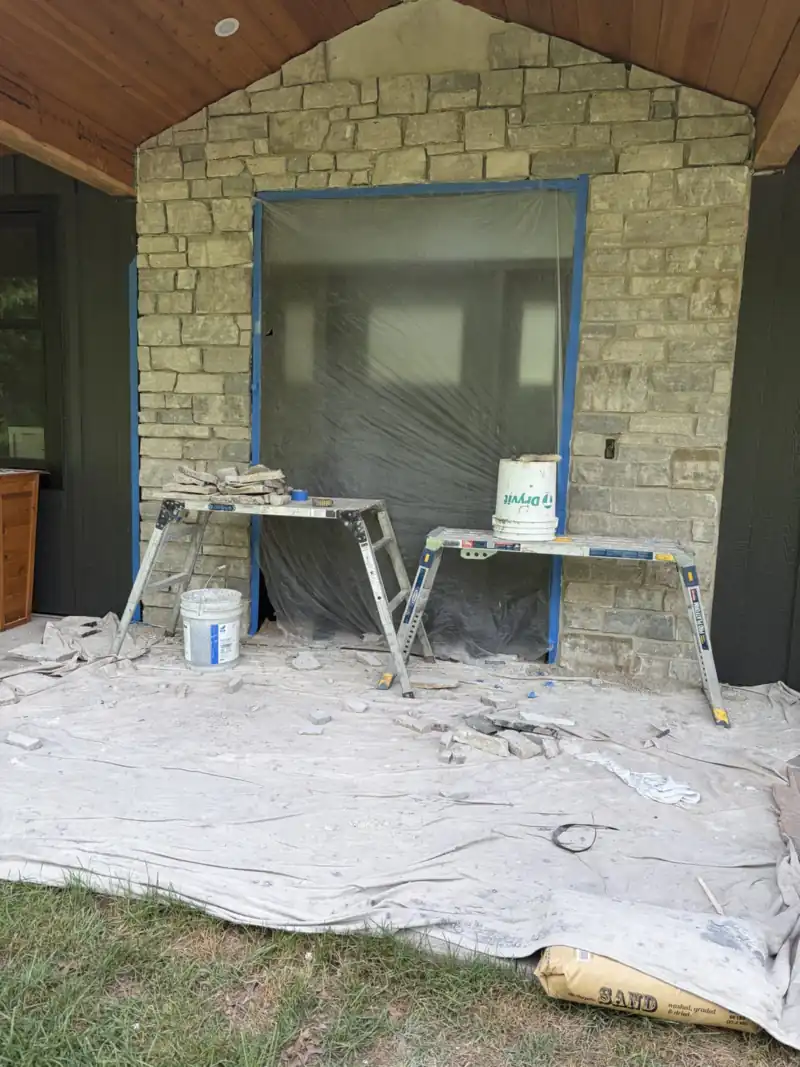
What sets the price of stone and masonry work, and why a photo first saves time
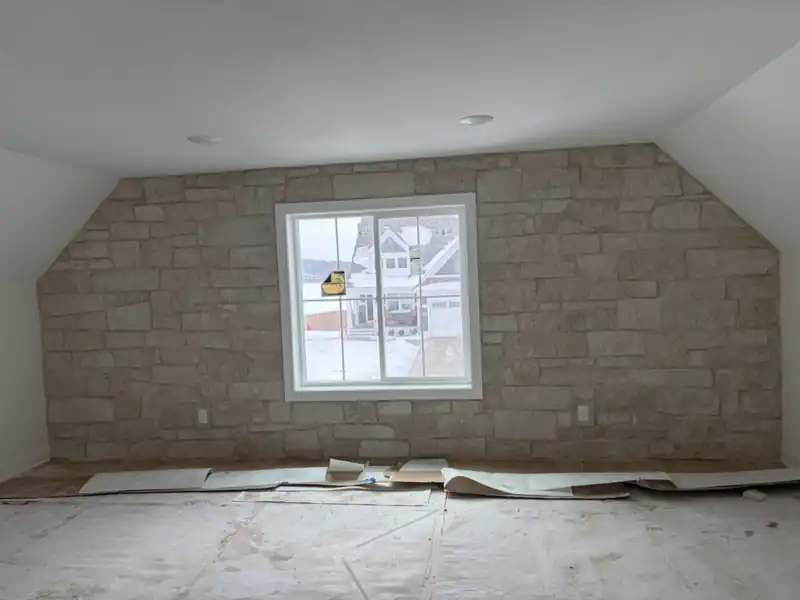
The price of stone and masonry work comes down to how much there is, what it is made of, how far gone it is and how hard it is to reach. Matching old stone, the time of year, and whether it can be repaired or has to come apart change it too. A wide photo and a close one let Don see most of that before anyone drives out.
- Topic
- What changes the price
- Start with
- A wide photo and a close one
- From
- Stonecrete Inc, Don Barger
- Call or text
- (612) 432-9467
How much there is
The plainest part of any price is size. A handful of open joints at the bottom of a wall is a different job from a whole wall that needs repointing, and resetting a couple of loose stones on a step is different from taking up and relaying a whole landing.
But small jobs do not shrink in proportion. Getting to the house, setting up, mixing mortar, protecting the area and cleaning up take about as long on a small job as on a bigger one. That is why a small repair can cost more than people expect for its size, and why it can make sense to fix the other spots that are close to going while someone is already there.
What it is made of
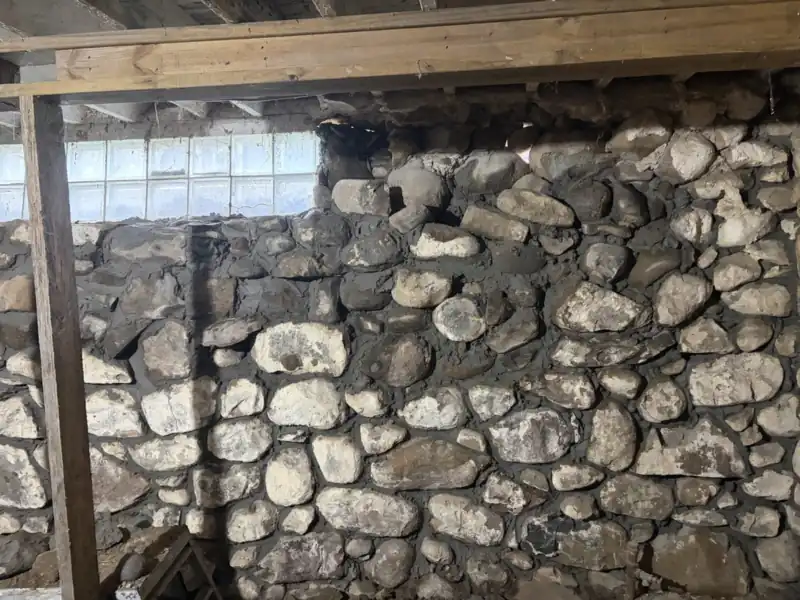
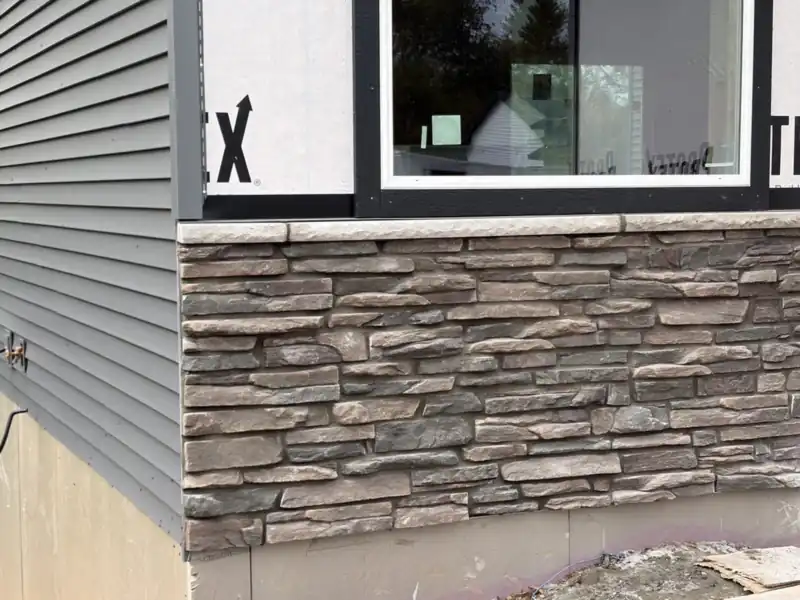
Squared cut stone with straight joints goes faster than rough fieldstone with joints of every shape. Soft old limestone set in lime mortar needs slow hand work so the stone edges are not damaged, and it needs a mortar that suits it. Thin stone veneer on a newer house front is a different job again from a solid stone wall.
The stone itself matters too. Some is easy to find. Some, like limestone that has weathered for generations or a particular fieldstone, takes looking for. And if the masonry is brick or concrete, ask Don whether it is work he takes.
How far gone it is
Catching it early is almost always less work. Sandy joints with the stones still tight need repointing. Joints left open for a few more winters let the stones work loose, and then the stones have to be taken out, cleaned and reset before the joints can be pointed. Leave it longer still and a section of wall or a set of steps may need to come apart and be built back.
Some of it also hides until the work starts. Old mortar can look fine on the face and be sand behind it, and a step that looks like it only needs new joints may have a loose stone under the tread. On old masonry it helps to talk ahead of time about what happens if more turns up once the old mortar is out.
How hard it is to reach
Work you can do standing on the ground is the simplest. High walls need ladders or scaffolding set up and moved. A stone wall at the bottom of a steep lake lot means carrying every stone and every bag of mortar down the slope and the old material back up. Narrow spaces between houses, decks built over a wall and gardens that need protecting all add time.
Inside work has its own reach problems. A basement wall behind a furnace, shelving or a finished wall has to be cleared before anyone can get at it.
Matching old stone and mortar
On an older house the hard part is often making the repair look like it belongs. Finding stone that matches weathered limestone or old fieldstone in color and size can take some hunting, and sometimes the best match is stone that came out of somewhere else on the same property.
Matching mortar means test batches, letting them dry and checking them against the old joints in daylight. That time does not show in the finished wall, except that the repair blends in.
Weather and the season
Mortar has to set and cure without freezing, so stone work here runs on the warmer months. Rain stops work too, since fresh joints need to be kept from washing out.
Spring is when most people find what the winter did. Getting photos to Don early in the year lets him see what you have and talk with you about when it could fit.
Repair or take it apart
Repair keeps the old stone in place and works with what is there. It often means less new material and more careful hand work. Taking a section apart and building it back makes sense when the stones have moved too far, the wall has bulged, or the steps have tipped past the point where resetting a few pieces will hold.
Doing only the side that takes the weather, or only the part that is failing, is sometimes the right call, and sometimes it only puts off a bigger job. Don tells you plainly what the masonry needs, and what it does not, before any work starts.
Costs that are not the masonry
Some things that come up around a stone job are separate from the masonry itself. A permit, if the job needs one, is a question for your city. A wall that is moving may need a structural engineer to look first. Flashing where a chimney meets the roof belongs to a roofer. And fixing the downspout or the grading that caused the trouble in the first place may be its own small job.
Why a photo first helps
Photos let Don see most of what sets the price before anyone drives out: what the stone is, how much of it is involved, how far gone it looks and how hard it is to reach. They also show whether it is stone work he takes or something to ask him about.
Then he takes a look in person and tells you plainly what it needs. Good photos make that first look quicker and more useful for both of you. Here is what to send.
- A wide photo that shows the whole wall, the set of steps or the side of the house
- A close photo of the worst spot, with a hand or a key in it for size
- Your town
- How long it has been this way, and whether it changed over the winter
Getting a price from Don
The contact page on this site has Don's number and a short list of what to send for a price. Stonecrete Inc is Don Barger's stone and masonry business, based in White Bear Lake and covering White Bear Lake and the surrounding area.
Call or text (612) 432-9467. A text with your photos and your town is an easy way to start.
Questions
Can Don give a price from photos alone?
Photos tell Don a lot, and they help him sort a small fix from a bigger job. The usual order is photos first, then Don takes a look in person, then he tells you plainly what it needs.
Why does a small repair cost more than I expected?
Getting there, setting up, mixing mortar and cleaning up take about the same time whether the job is a few joints or a whole wall. On a small job that time is a bigger share of the price.
Is it cheaper to wait and do everything at once?
Usually not with masonry. Open joints let water in every winter, and a few sandy joints this year can be loose stones a few winters from now. Doing the worst spots now and the rest later is often the better plan.
Does the price include a permit or an engineer?
Those are separate from the masonry. Ask your city if your job needs a permit, and if a wall is moving, a structural engineer may need to look first. Ask Don what his price covers when you talk.
Don tells you plainly what the masonry needs, and what it does not, before any work starts.