A spring walk around the house: checking your stone and masonry once the snow is gone
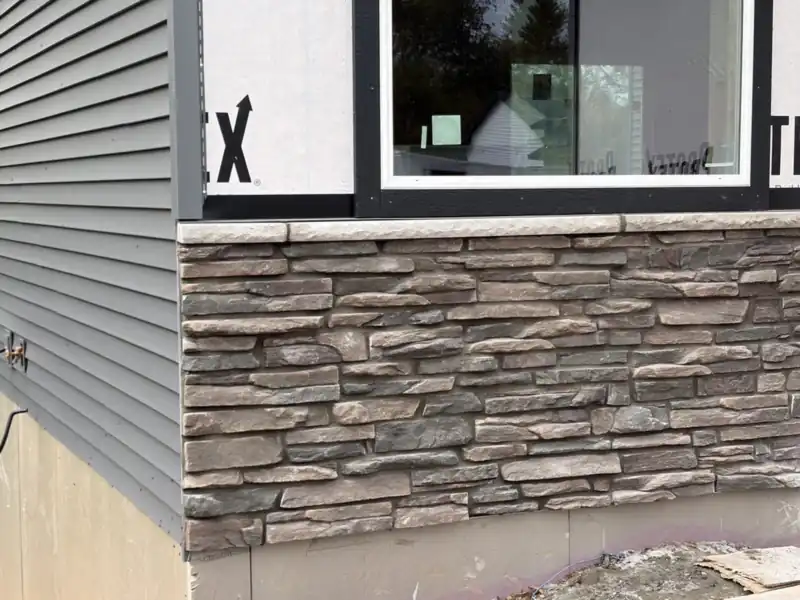
Once the snow banks are gone and the ground starts to dry, walk around the house with your phone. Look at the steps, any stone or brick walls, the chimney top from the yard, the line where the foundation meets the ground, and walls holding back the yard. You are looking for what moved, what opened up and what is new since fall. Photos now give you something to compare next spring.
- Topic
- A walk around the house
- When
- After the snow melts
- From
- Don Barger, Stonecrete Inc
- Call or text
- (612) 432-9467
Pick the day
Go after the snow is gone from along the house and before the bushes and perennials leaf out and hide the bottom of the walls. In the White Bear Lake area that window can be short, so do not wait for a perfect day.
A dry day is best for seeing cracks and loose joints. Then go back out during or right after a good rain and watch where the water goes. Water running off the roof onto a step, pooling against the foundation or pouring over the top of a wall tells you more than any crack will.
Bring your phone for photos, a flashlight for the basement, a key or a screwdriver to test joints, and a pencil for marking the ends of cracks.
Start at the front steps
Steps get frost from underneath and salt on top all winter, so start there.
- Stand on the walk and look at the treads. They should be level side to side and shed water away from the house.
- Look where the top step or landing meets the house. A gap that is new, or wider than last year, means the steps moved.
- Step on each tread and feel for rocking.
- Look for flaking on the front edges and on the bottom step, and for white crust along the joints.
- Grab the railing. A loose post often means the stone around it has cracked.
Stone and brick on the walls
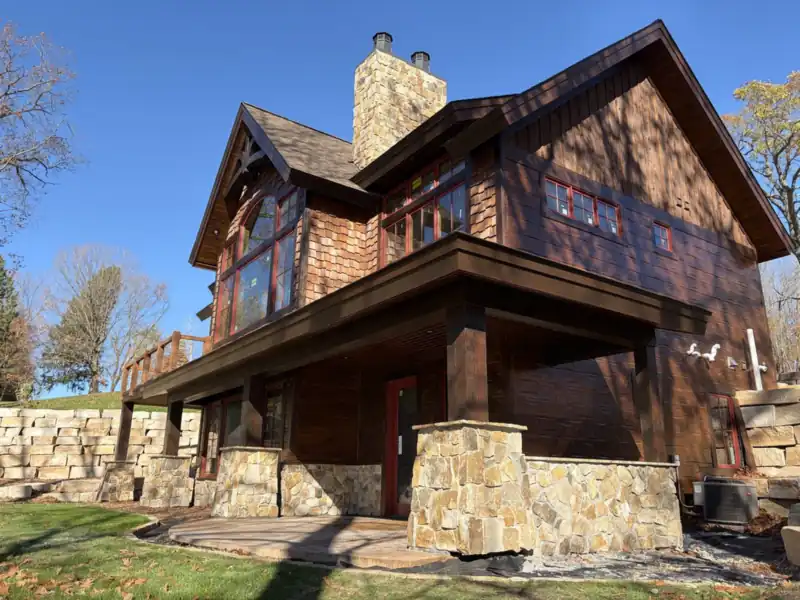
Stand back from each side of the house first and sight along the wall. A bulge or a section that leans out is easier to see from a distance than up close.
Then walk it slowly. Open joints, sandy mortar, cracks along the edges of stones, and stones that sit out of line with their neighbors are the usual signs of water and frost. Look hard under window sills and below wall caps, where water runs down the face and sits. Dark damp patches that stay long after a rain point to the same thing.
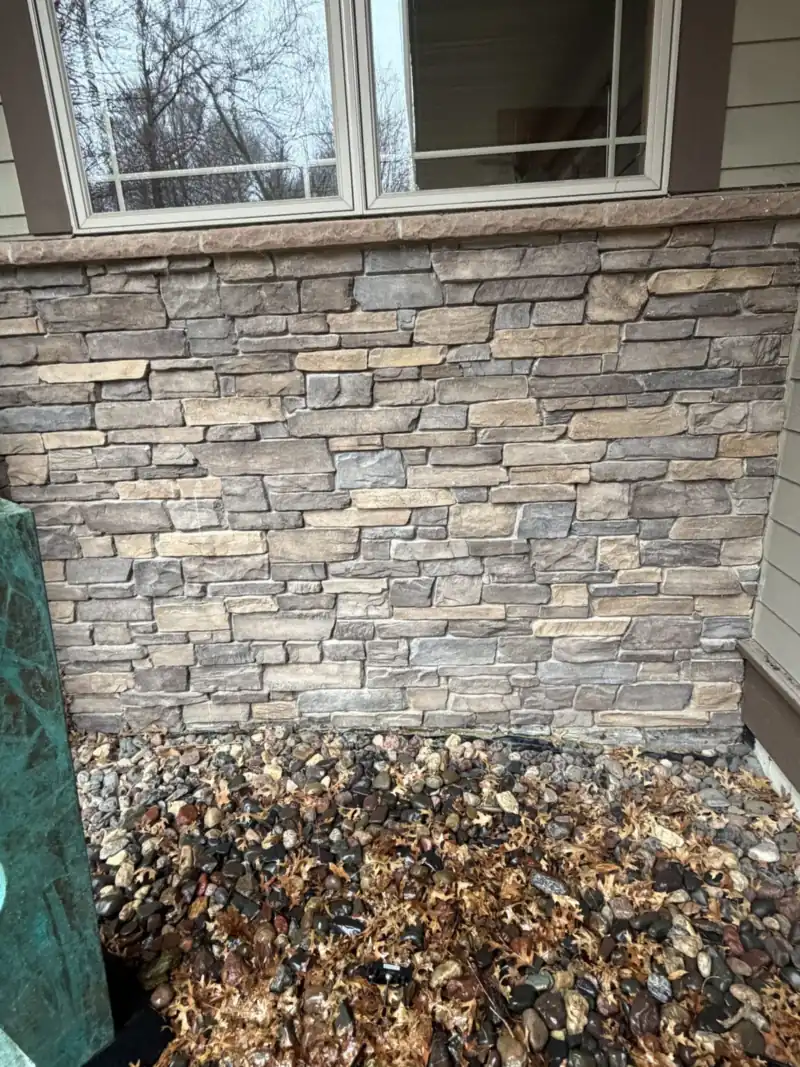
On newer houses with thin stone veneer on the front, look at the bottom edge where the stone meets the ground or the foundation, around windows and doors, and where the stone meets the siding. Those are the places water gets behind veneer. A stone that has come loose or a crack running through several stones is worth a photo.
Brick shows the same signs: open joints, cracks that step up along the mortar, and faces popping off. If the trouble is on brick, ask Don about it.
The chimney, from the ground
Stay off the roof. Stand far enough back in the yard to see the whole chimney and use the zoom on your phone. These are the things to look for.
- A chimney that leans, even a little
- Open or missing mortar near the top, where the weather is worst
- Broken pieces of brick or stone on the roof or in the gutters
- A cracked top, or a cap that has shifted
- Dark or white staining running down the sides
What the chimney signs mean
Snow and ice sit on a chimney for months here, so the top usually goes first. Staining down the sides means water is running through or over the masonry. Pieces in the gutter mean something up there is coming apart.
Flashing where the chimney meets the roof is roofing work, so talk to a roofer about that part. For the chimney masonry itself, ask Don.
Along the foundation line
Walk the outside of the foundation and look at the ground first. It should slope away from the house. Look for downspouts emptying right at the wall, low spots that hold meltwater, and mulch or soil built up against the siding.
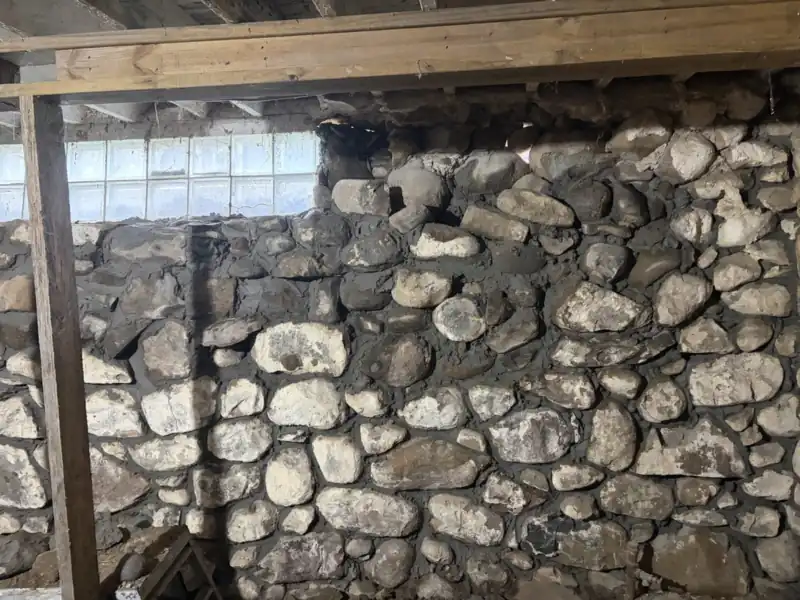
Then look at the wall above the ground. On old limestone and fieldstone foundations, look for sandy joints, loose stones, and cement patches with the stone breaking up beside them. On block foundations, look for cracks that step along the joints and for any section pushed in.
Then go inside with the flashlight. Sand on the floor at the base of a stone wall, white crust, water marks from the thaw, and stones that have dropped out of the inside face all mean water is getting through. The guide to old limestone foundations on this site goes deeper into those walls.
Walls holding back the yard
Plenty of lots around the lakes here slope, some of them right down to the water, and walls hold the ground back. Frost and water behind a wall push on it every winter.
- A wall that leans out at the top, or bulges partway along
- Stones or blocks pushed out of line
- Soil washing out through the joints or from under the bottom
- Water seeping out of the face of the wall after rain
- Cap stones that are loose or have slid
If a yard wall is moving
If you have a retaining wall that is moving, ask Don about it. A wall that keeps moving may need a structural engineer to look first, and a tall wall can need a permit, so ask your city before anything is rebuilt.
Sorting what can wait from what cannot
Can usually wait and be watched: a few sandy joints on a wall that is out of the weather, light white stain, a hairline crack that looks the same as last spring.
Should be fixed before next winter: open joints on steps, wall tops and caps, stones that rock, flaking that is spreading, and steps tipping toward the house.
Should not wait: loose stone over a door, a walk or steps, a wall or chimney that is leaning or bulging, and water running into the basement.
When you are not sure which group something is in, take the photo and ask.
Photos that help
Good photos do two jobs. They help Don see what you see, and they give you something to hold up against next spring.
- A wide shot that shows where on the house the problem is
- A close shot of the worst spot
- Your hand or a key in the close shot, so the size is clear
- The same spots from the same places each spring, so you can compare
Where to go from here
The masonry page on this site lays out the stone work and stone repair Don Barger does at Stonecrete Inc, and the other masonry on houses around White Bear Lake that you can ask him about. Start there if your walk turned something up.
Don is based in White Bear Lake and works the surrounding area. Call or text (612) 432-9467 with your photos and your town, and say how long you have been seeing it.
Questions
Why check masonry in the spring and not the fall?
Spring shows you what the winter just did, while it is fresh and before plants hide the base of the walls. A fall look is worth doing too, to catch open joints before they take on water and freeze, but spring is when most new damage shows.
Should I get up on the roof to look at the chimney?
No. Use the zoom on your phone or a pair of binoculars from the yard. You can see most of what matters from the ground.
A crack I marked last spring has grown. What should I do?
Take a photo with the old pencil marks in it and send it to Don. A growing crack means something is moving. On a foundation or a retaining wall, a structural engineer may need to look first.
What should I send Don after my walk around?
A wide photo and a close photo of each spot that worries you, your town, and how long it has been that way. If something changed over the winter, say so.
Don tells you plainly what the masonry needs, and what it does not, before any work starts.