New concrete steps and walks around White Bear Lake
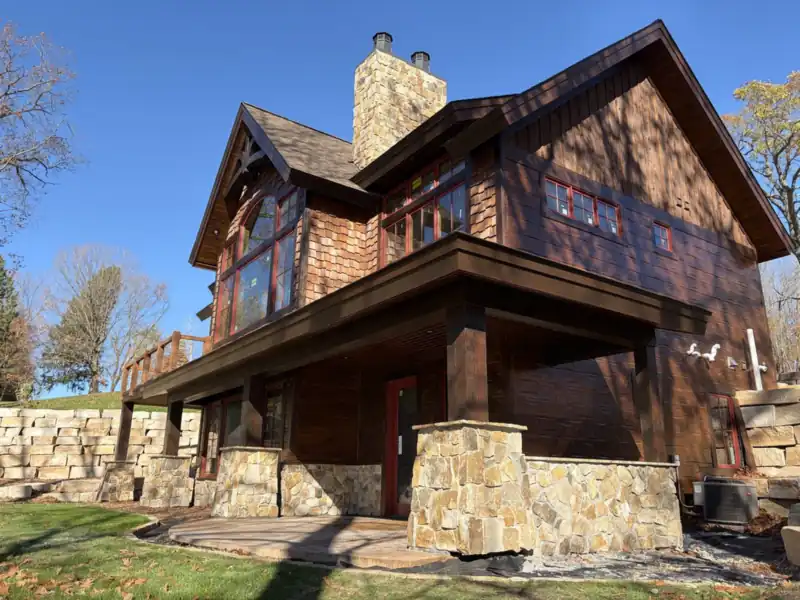
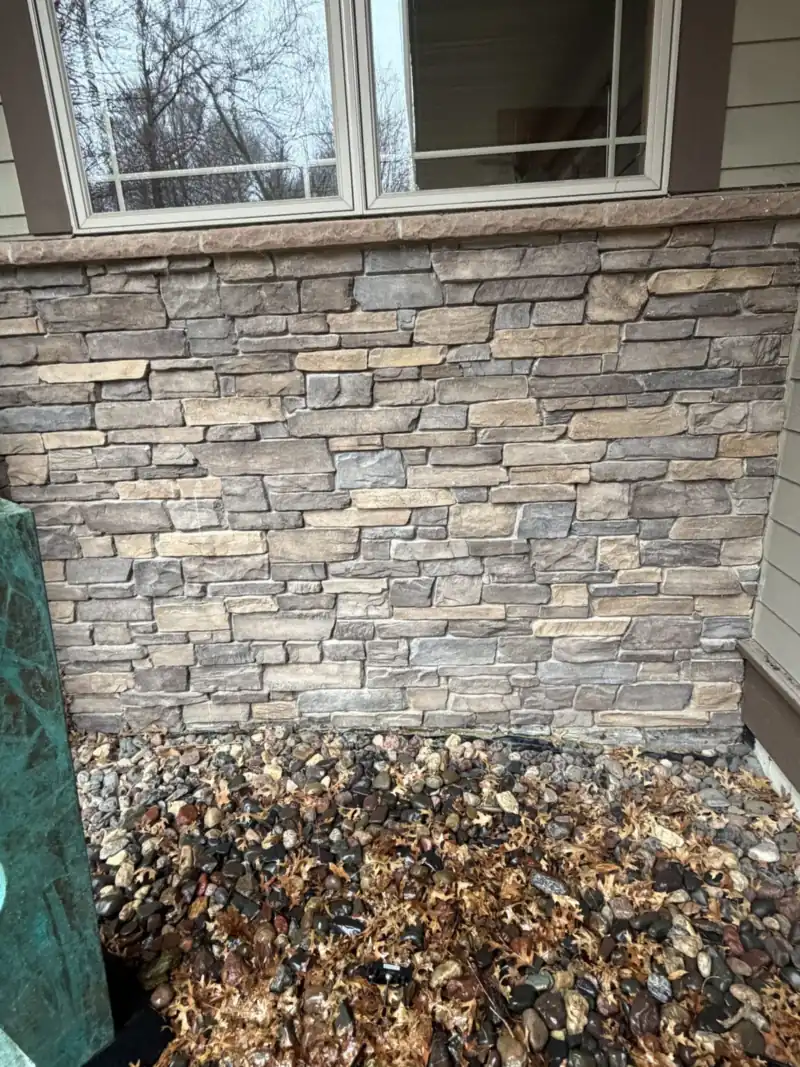
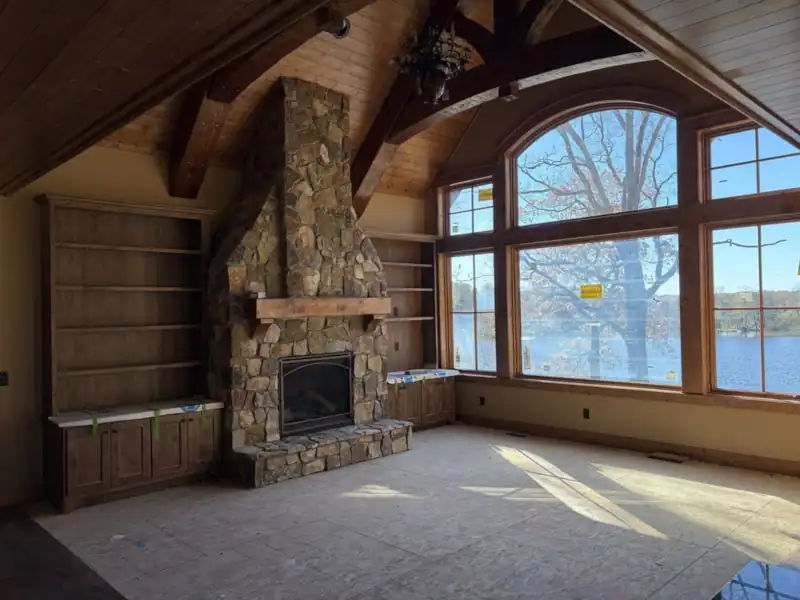
Stonecrete Inc pours new concrete steps and walks around White Bear Lake, Minnesota. Don Barger's own job photos show front steps poured between two new block walls, steps going up a slope, and walks that curve through wooded yards. Don covers White Bear Lake and about 30 minutes around it. To talk about steps or a walk at your house, call or text (612) 432-9467.
- Work
- New concrete steps and walks
- In Don's job photos
- Front steps, steps up a slope, curving walks
- Area
- White Bear Lake and about 30 minutes around
- Call or text
- (612) 432-9467
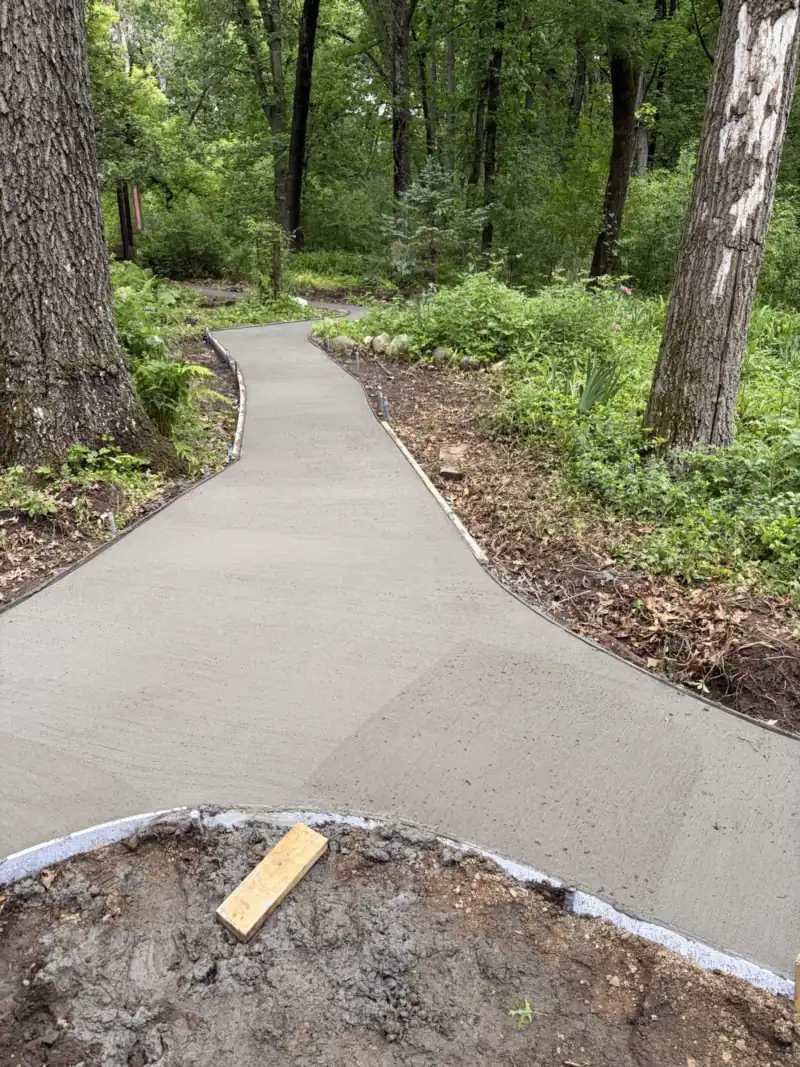
Walks that curve through the trees
Don's job photos include new walks curving through wooded yards, one of them with the forms just pulled. A walk does not have to run in a straight line from the driveway to the door. The forms can be bent to a curve before the concrete goes in, so the walk can swing around an oak or follow the path people already wear across the grass.
Trees give you a couple of things to plan around. Roots near the surface get thicker every year and can lift a walk poured over them, so it helps to give the trunk some room. And a walk in the shade stays wet longer after a rain. In winter the ice on the shaded stretch hangs on long after the sunny part has dried off.
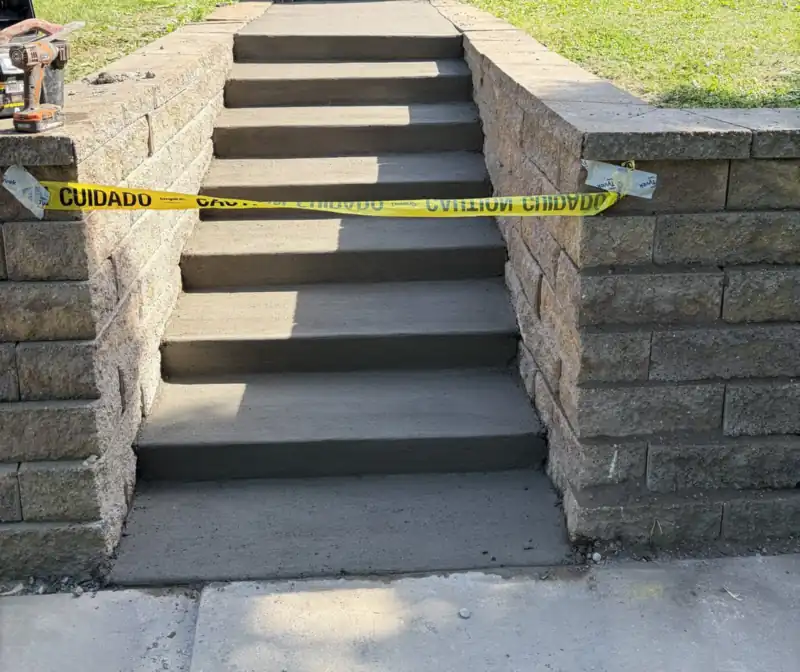
Front steps between two block walls
A lot of front yards sit higher than the sidewalk. When that bank is steep, steps up to the house have to cut through it, and the dirt on each side needs something to hold it back or it slumps onto the treads.
One of Don's photos shows a set like that. New concrete steps run up between two new block walls, both capped, holding the lawn back above the city sidewalk. The caution tape is still up in the picture.
Treads on steps like these are usually pitched a little toward the front edge, so rain and snowmelt run off instead of sitting on the step to freeze.
Steps up a slope
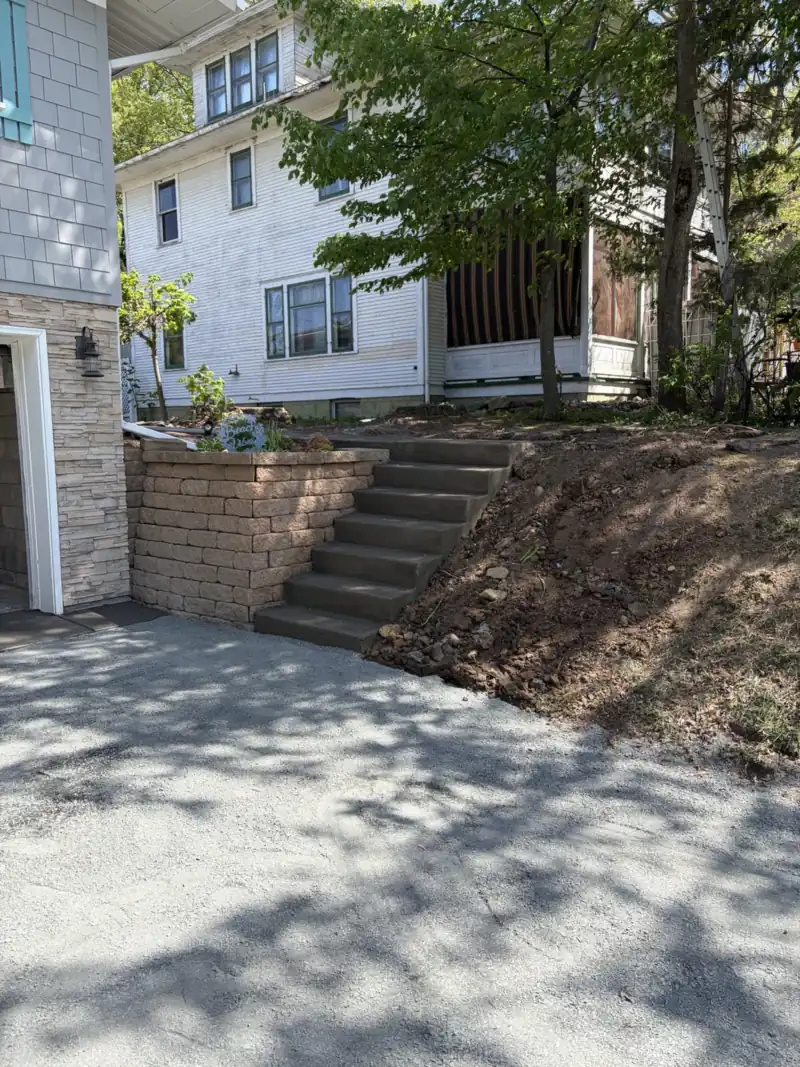
Some yards climb too steeply for a plain walk. A steep walk is hard to keep your feet on once it ices over, so the climb gets broken up into steps instead. Another of Don's photos shows a set of steps going up a slope beside a new block wall.
On a slope, the ground under each step has to be firm. Dirt that was brought in as fill and never packed keeps settling for years, and concrete poured over it goes down with it and cracks. Water runs down the slope the same way the steps do, so it needs a way off to the side before it soaks in along their edges.
What helps new concrete hold up here
Frost is behind most of the damage to concrete here, and it works from underneath as well as on top. Wet ground freezes, swells and lifts whatever sits on it, then lets it back down in the spring thaw, and not always level. One section of walk ends up higher than the next and leaves a lip that catches a toe or a snow shovel.
Concrete also shrinks a little as it cures, so almost every walk cracks somewhere. But how much trouble any of that causes comes down mostly to how the steps or walk went in. The ones that last here usually have these going for them:
- A packed gravel base that drains, so the ground under the concrete stays drier and settles less
- A slope on every walk and every tread, so water runs off and away from the house
- Joints cut or tooled in, so cracks open along the joint lines instead of wandering across the middle
- A mix made to stand up to freezing and thawing, with tiny air bubbles in it that give the water room when it freezes
- Downspouts and yard runoff sent away from the edges of the concrete
Salt, sand and the first winter
Salt does the most harm to concrete in its first winter. Salty melt soaks into the top, freezes overnight, thaws the next afternoon and soaks in again. After enough rounds of that, the surface comes off in thin flakes and the gravel in the mix starts to show. That is called scaling, and it is common on front steps and walks, since those get salted after almost every snowfall.
So for that first winter, many people put sand down for grip and leave the salt in the garage. Shoveling before the snow packs down leaves less ice to melt in the first place. After that, keep the salt to the spots that ice up worst, brush off what is still lying there once the ice melts, and hose the steps and walk down in spring. The road salt guide on this site goes further into what salt does to steps.
Before you text Don
For new steps or a walk, the useful photo is of the ground where the concrete would go. Stand back far enough to get both ends in one shot, the driveway or sidewalk where it starts and the door where it ends. If the yard slopes, add one from the side so Don can see how much it climbs. Mention big trees, downspouts and any spot that stays wet, and say what town you are in.
Stonecrete Inc is based in White Bear Lake, and Don covers about 30 minutes around it. Text the photos to (612) 432-9467, or call if that is easier.
Questions
Can Don build the block wall beside the steps too?
Yes. Both sets of steps on this page have new block walls right beside them. The retaining walls page has more on those. If the wall would be tall, ask Don about it first.
What should go on new concrete instead of salt?
Sand. It gives grip on the ice and does not soak into the surface. Keep salt off new steps and walks until they have made it through one winter, and shovel early so there is less ice to deal with.
Why is the top of my concrete step flaking off?
That is scaling. Salt and freezing work on the surface winter after winter until the top layer lets go. Fixing old concrete is a separate job from pouring new, so ask Don if yours is something he takes on.
Why did my front steps pull away from the house?
Usually the ground under them moved. The dirt next to a foundation was dug out when the house went up and pushed back in afterward, and that loose fill can keep sinking long after the house is done. Frost lifts steps from below too, and roof water dripping beside them makes both worse. Send Don a photo of the gap and ask him about it.
Do new concrete steps need a permit?
Some cities want one, and work that ties into the city sidewalk or the boulevard may need the city's okay as well. Every city sets its own rules, so ask yours before the job is planned.
Does Stonecrete Inc do driveways, patios or stamped concrete?
Ask Don. This page is about new concrete steps and walks. For a driveway, a patio, a slab, stamped or colored concrete, or patching, resurfacing or sealing old concrete, call or text (612) 432-9467 and ask whether it is work he takes.
Don tells you plainly what the masonry needs, and what it does not, before any work starts.