Repointing stone walls: what it is, when the joints are due and how the new mortar gets matched
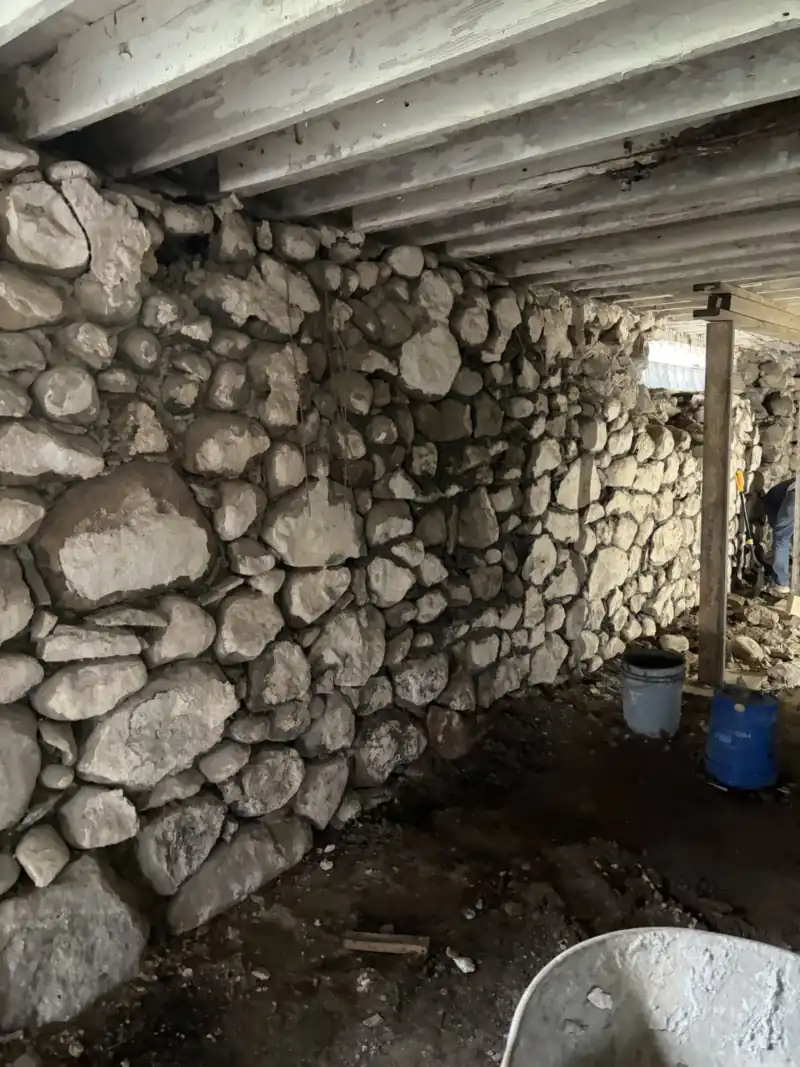
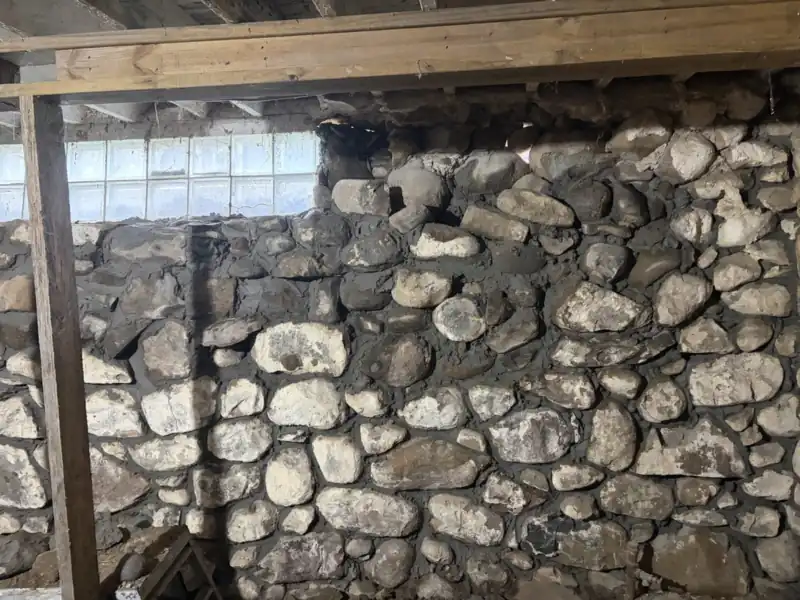
On older stone walls around White Bear Lake and Saint Paul, repointing means cutting the worn mortar out of the joints between stones, cleaning them, packing new mortar and finishing it so it sheds water. It is due when the old mortar is sandy, has cracked away from the stone or is missing. The new mortar should match the old in color and be no harder than the stone, so the joint wears out before the stone does.
- Topic
- Repointing stone joints
- Covers
- How worn joints get redone
- From
- Stonecrete Inc, White Bear Lake
- Call or text
- (612) 432-9467
What the joint is there for
The mortar between stones beds each stone, fills the gaps so water cannot run straight into the wall, and spreads the weight. It is also meant to be the weak link. A good joint is a little softer than the stone, so when frost and water go to work on the wall, the joint wears and the stone stays.
That makes repointing normal upkeep on any stone wall that stands outside in Minnesota. A wall can go through several rounds of mortar while the same stones stay put.
Signs the joints are due
You can check most of this with a key and a good look.
- Mortar sitting back from the face of the stone, leaving a ledge that holds water
- Mortar that turns to sand when you scratch it with a key
- A hairline gap between the mortar and the edge of the stone
- Holes where you can see into the wall
- Moss or weeds growing out of the joints
- Damp patches on the inside of a wall that used to be dry
- Stones that have started to move
Where joints fail first
Joints rarely go all at once. The tops of walls, the bottom courses where snow piles up, the spots under a downspout or a dripping gutter, and the side of the wall that takes the most sun and rain usually go first. The rest of the wall can still be sound.
Cutting out the old mortar
The old mortar comes out first, back to mortar that is still sound. That means going deep enough that the new mortar has a real joint to grip, which on most walls is deeper than people expect. A thin skim over crumbling mortar does not bond and falls out after a winter or so.
On soft stone and old lime mortar, most of the cutting is done by hand with chisels. Power tools speed things up on hard mortar but can nick the edges of the stone and widen the joints, which looks wrong and lets in more water. What you want is a clean joint with a square back and the stone edges left whole.
Old patches of hard cement mortar come out too, where they can be taken out without breaking the stone beside them.
Getting the joint ready
Dust left in the joint keeps the new mortar from sticking, so the joints are brushed or blown out. Then they are dampened. Dry stone and old mortar soak water out of fresh mortar fast, and mortar that dries out before it sets ends up weak and crumbly.
Packing and finishing
Fresh mortar is pressed into the joint firmly, all the way to the back. Deep joints are filled in layers, each one left to firm up before the next goes in, so the mortar does not slump or leave hollow spots behind.
When the mortar is firm enough to take a thumbprint without smearing, it is tooled. The shape of the finished joint should match what the wall had, and it should shed water off the face instead of holding it. On old stone that often means a joint brushed back slightly so the sand shows, the way the original joints looked.
Mortar smeared over the faces of the stones makes the joints look wider than they are and holds water on the stone, so clean edges matter.
New mortar needs to stay damp while it cures and be kept out of hot sun, drying wind and frost. That is why repointing here is done in the warmer months.
Matching the color
Most of a mortar's color comes from its sand. The same mix made with a different sand can come out a shade off from the old joints. So matching an old joint usually starts with looking closely at the old mortar and the sand in it, then making small test batches.
Wet mortar looks darker than it will once it dries, so test batches are left to dry and checked against the old joints in daylight. New joints still look a little fresh at first and weather in over the next seasons.
Matching the hardness
Hardness matters more than color, because the wrong hardness damages the stone. New mortar should be no harder than the stone and close to the old mortar it sits next to.
Soft limestone and old lime mortar need a soft mortar with plenty of lime in it. A hard cement mortar on that stone traps water in the wall and pushes the frost damage into the stone faces, which crack and flake along the joint. Dense granite fieldstone can take a firmer mortar, but new joints that are much harder than the old ones around them in the same wall still cause trouble.
The exact mix is a call the mason makes for each wall, based on the stone, the old mortar and where the wall sits.
Doing just the weather side
Repointing a whole wall is not always the right answer. The side of a wall that faces the worst weather, the side in full sun, or the stretch under a downspout often wears out well ahead of the rest. If the joints on the sheltered side are still hard and tight, cutting them out would take sound mortar out of the wall for no reason.
So repointing just the side that is failing can make sense, as long as the mortar left alone really is sound. The repaired section may look fresher than the rest for a while, which is one more reason the color match is worth the effort. And the rest of the wall will need its turn someday, so keep checking it each spring.
What new joints will not fix
Repointing closes up joints. It will not straighten a wall that leans or bulges, fix stones that are cracked through, or stop water pouring at the wall from a downspout or bad grading. Loose stones get reset as part of the work, but a wall that keeps moving needs more than new joints. Some jobs need a structural engineer to look first.
Getting your stone repointed
Repointing joints in stone and resetting stones that have moved is stone repair, the work Don Barger does through Stonecrete Inc in White Bear Lake. The stone repair page on this site explains how he goes about it and how he finds the reason the joints failed.
If the joints you are looking at are in brick, ask Don about that. He covers White Bear Lake and the surrounding area. Call or text (612) 432-9467 with a wide photo of the wall and a close one of the worst joints.
Questions
What is the difference between repointing and tuckpointing?
Around here most people use the two words for the same thing: cutting out worn mortar and putting new mortar in. Tuckpointing first meant a fancy finish on brick, with a thin line of contrasting mortar run along each joint. For stone, repointing is the usual word.
Can new mortar just go over the old?
No. A thin layer over crumbling mortar has nothing solid to grip. It cracks away from the old joint and falls out within a winter, often with water trapped behind it. The old mortar has to come out back to sound mortar first.
Will the new joints match the old ones right away?
If the sand and the mix are matched well, they will be close. New mortar usually looks a little brighter at first and weathers in as it ages.
Can I repoint a stone wall myself?
A few joints on a low garden wall, maybe, if you use a soft mortar that suits the stone and take your time cutting out the old. Foundations, high walls and soft limestone are better left to a mason, because the wrong mortar or a slipped grinder does damage that is hard to undo.
Don tells you plainly what the masonry needs, and what it does not, before any work starts.